
Photos/Courtesy of the City of Marionville
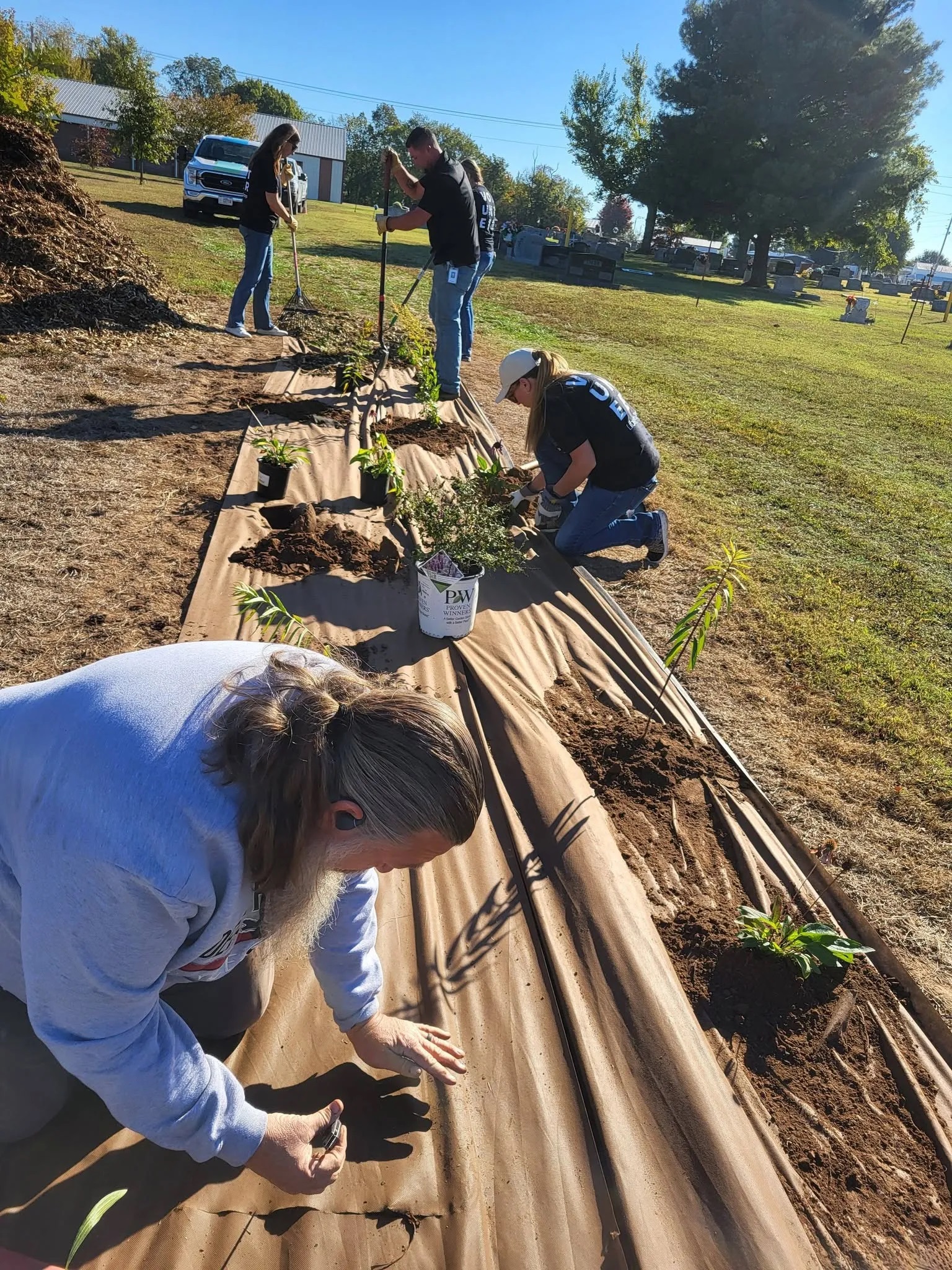
It was a morning filled with digging, planting, raking, and even a bit of tree trimming – all in service of a project that will take flight next spring.
In partnership with the city of Marionville, Missouri, Liberty’s Vegetation Management team spearheaded the project to create a butterfly garden in Logan Park.
“We have a program called Power to the Pollinators,” said Christopher Dedmon, Supervisor II-Vegetation Management. “Because monarch butterflies are nearing endangered status in the United States, the program is a way to use our resources to partner with cities to install pollinator gardens. We provide the plants and volunteer to plant them.”
Several factors impact the migratory butterflies’ population decline, including milkweed becoming an endangered native wildflower and the destruction of native prairie habitats, according to the Missouri Department of Conservation.
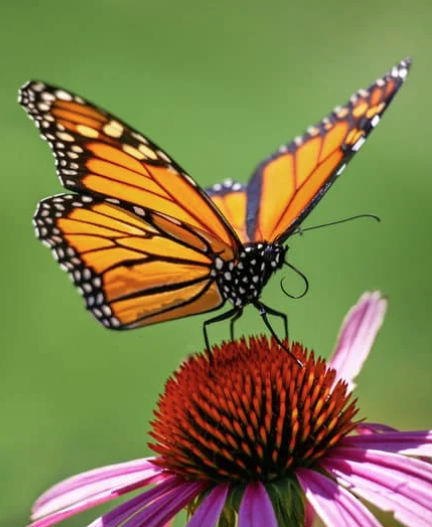
Bees may get most of the attention as pollinators, but monarch butterflies certainly pull their weight. While feeding on nectar from plants in the gardens, pollen sticks to the legs of these brightly colored butterflies. That pollen can then transfer to the next plant they visit. Creating pollinator gardens is an excellent way to create a safe environment for monarchs to flourish.
In addition to Marionville, Liberty has partnered to create gardens in Riverton and Baxter Springs, Kansas, and Carl Junction, Joplin, and Freemont Hills in Missouri. Native plants such as milkweed and purple coneflower are among the species planted to attract butterflies.
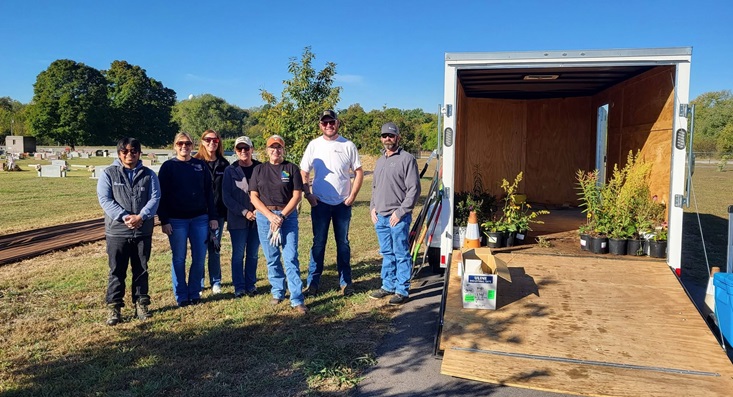
For the Marionville garden, Liberty team members from departments such as Customer Service, Operations, Community Affairs, and Energy Procurement joined Dedmon and others from Vegetation Management to get the job done. They were joined by Marionville Mayor Angie Brenner and Ward 1 Alderman Kevin Bliss, who wanted to roll up their sleeves and lend a hand.
Planting the garden now means the plants should be ready to attract butterflies next year.
“They’ll probably be in full bloom by mid-spring and last through the summer,” said Dedmon.
Click here to learn more about Power to the Pollinators – including tips to create your own pollinator garden – and other programs and services offered by Liberty’s Vegetation Management program.